
Understanding the psychology behind player behavior in casinos
The Allure of Casinos
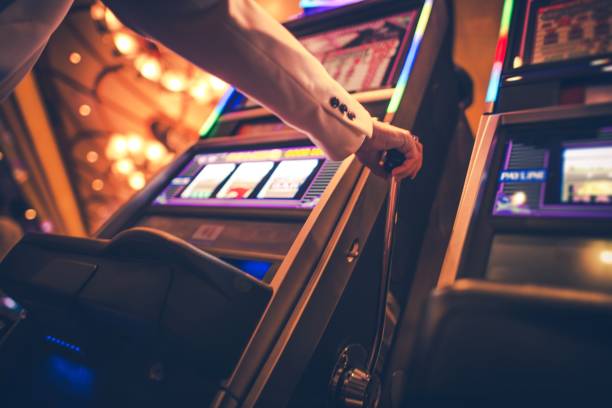
Casinos are designed to be captivating environments, enticing players with bright lights, sounds of winning, and the promise of fortune. This allure plays on fundamental psychological triggers, such as the human attraction to risk and reward. For those seeking excitement, participating in ice fishing for real money adds another thrilling element to the experience. The architecture and ambiance create a sense of euphoria, allowing players to escape their daily routines and enter a world where anything can happen.

The thrill of potential winnings activates dopamine release in the brain, a neurotransmitter linked to pleasure and reinforcement. This biological response not only keeps players engaged but also encourages them to continue playing, sometimes leading to extended gaming sessions that can blur the lines between entertainment and addiction.
The Role of Social Interaction
Social dynamics significantly influence player behavior in casinos. The communal aspect of gaming fosters interaction among players, creating a shared experience that enhances enjoyment. Whether playing alongside friends or engaging with strangers, this social interaction can heighten excitement and lead to longer gaming periods.
Moreover, the presence of live dealers in games such as blackjack or roulette adds to this social element. Players often enjoy the camaraderie and competition, which can impact their decision-making and betting strategies. This social component is a crucial factor in why many individuals are drawn to casino environments.
The Impact of Game Design
Game design plays a pivotal role in shaping player behavior. Casinos employ psychological strategies, such as variable reward schedules, which create an unpredictable yet thrilling experience. The uncertainty of when a payout might occur keeps players engaged and often results in prolonged play.
Additionally, game aesthetics—such as visual effects, sounds, and themes—are carefully crafted to enhance engagement. This sensory stimulation can trigger emotional responses, leading players to feel more invested in their gaming experiences. The design elements encourage a deeper psychological connection with the games, ultimately affecting behavior and spending patterns.
The Psychology of Losses and Wins
The way players perceive wins and losses significantly influences their behavior in casinos. The phenomenon known as „loss aversion” explains that losses feel more impactful than equivalent wins. As a result, players may chase losses, believing that they can recover their previous bets with just a bit more luck.
This mindset can lead to a cycle of gambling that is challenging to break. Players may ignore their budget and rational thinking, focusing instead on the thrill of the game. Understanding these psychological tendencies can help casinos develop responsible gaming practices, promoting safer environments for players.
Your Source for Casino Insights
For those looking to explore the intricate world of casino psychology, our website offers a wealth of information and resources. We delve into the various factors that influence player behavior, providing insights that can enhance your understanding of the gaming environment.
From exploring the latest trends in casino design to examining the psychological strategies behind popular games, our platform serves as a comprehensive guide for both casual players and industry professionals. Join us as we uncover the fascinating psychology behind player behavior in casinos.